A Gem Of A Garden Amidst An Aerodrome

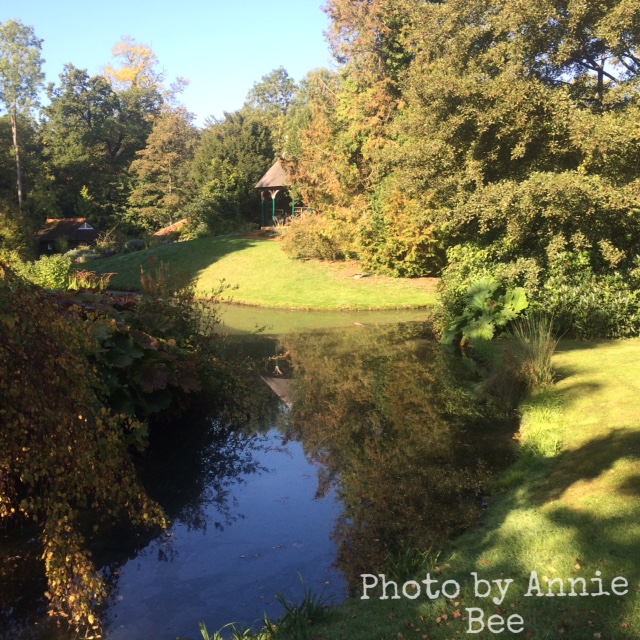
With the sound of light aircraft buzzing nearby, I spent this morning walking leisurely through the charming Swiss Garden, originally part of Old Warden Park, and now in the lee of Shuttleworth Aerodrome in Bedfordshire. When I went to pay my £8 entrance fee in the Visitors Centre, the lady at the till was talking to a pilot (I assume not airborne) about which way to approach the runway. Now that is what I call multi-tasking ~ selling postcards and doing a spot of traffic control.
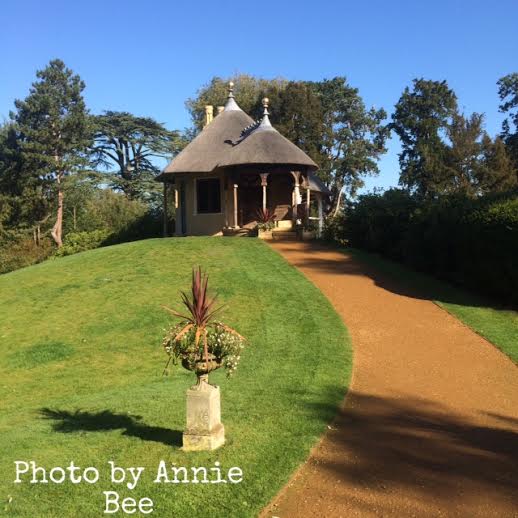
The Swiss Cottage

For the vast majority of the time, I was on my own wandering through this 200-year-old, Regency pleasure garden, tucked away in Central Bedfordshire, near the market town of Biggleswade. By the time I left, there were a handful of other visitors, but until then it was just me, a couple of resident peacocks and 2 knowledgeable and helpful gardeners. The sun was shining and it was a beautiful English autumn day. You can’t ask for more.

Swiss Garden Shuttleworth Bedfordshire

England is laden with famous, gorgeous gardens, and you could spend a lifetime visiting them all.  The Swiss Garden is not particularly well-known but is definitely worth visiting. It is part of the Shuttleworth Collection, a Trust, committed mainly to the preservation of transport artefacts — primarily bicycles, motor cars, and aeroplanes; essentially, the primary appeal seems to be the aviation museum, but this alpine landscape, chock full of follies is a hidden gem.

Briefly, the history is this: Created in the early 1800s by Robert, the third Lord Ongley, the garden lay within the 2000-acre Old Warden Estate, and took eight years to complete. In the 1870s, the new owner,  industrialist Joseph Shuttleworth, added a few Victorian flourishes of his own while retaining the original layout. The Shuttleworth Trust describe it thus:

~ Today, it is an outstanding example of the Regency fashion for creating landscapes in a picturesque alpine style

In 2014 it underwent an 18-month restoration process funded to the tune of £2.8 million by the Heritage Lottery Fund. I understand it is still on the Heritage at Risk Register but it is not obvious to the layman why that is still the case. It looks in very good nick to me.

There are 13 or so structures, from the Swiss Cottage itself (above) to an Indian Kiosk, bridges, a grotto, and a Chapel  ~ all amongst simple, but effective planting and some fabulous trees.

Victorian Urn at Swiss Garden

Swiss Garden at Suttleworth

Old Tree roots at Swiss Garden

Swiss Garden grotto

If you live nearby and haven’t been to visit, I can highly recommend it. If you love gardens and airplanes, you will be in heaven! There are some more of my photos of the garden on Pinterest.

Swiss Garden at Shuttleworth, Old Warden, Bedfordshire

Have a good weekend

Annie Bee x

Annie Bee blog signature

RIP The Disposable Plastic Bag

Here in Blighty, today marks new laws (albeit not 100% straightforward, sadly) about the flow of plastic bags from vendor to the bottom of cupboards and drawers in our homes, not to mention into landfill and the oceans. I would estimate here at Bee HQ, we have somewhere between 30 and 50 bags dotted around the house, although that includes many Bags For Life and eco-friendly cotton or canvas ones. It is the end of the flimsy disposable plastic ones which we greet today, and not a moment too soon.

There are 3 trees on my road (Ginkgo Biloba I think – absolutely beautiful) which happen to find themselves in a somewhat exposed spot where the wind whips round them. One of the Baby Bees, when little, used to call them the ‘plastic bag trees’ as they more often than not, would have a collection of colourful but caught bags, waving like flags.

plastic bags in trees

Hopefully we will begin to see the end of that today; England is way behind other parts of the world in this, and I am optimistic that it is a welcome change to the rules. As an elderly friend of mine (87 and indestructible) pointed out to me the other day, you had to take bags with you to the shops back when she was a child growing up in rural Sussex. Future generations might well look back on our love of throw-away plastic bags with disbelief as to our thoughtlessness for the environment.

decomposition of rubbish in sea

It is a promising day for the seas and landfill. I am pretty good at taking bags with me when I go to the shops. Let’s see how many 5p ones I get charged for over the coming weeks. Not too many I hope.

Annie Bee x

Annie Bee blog signature

The Beauty of Paper

Hello

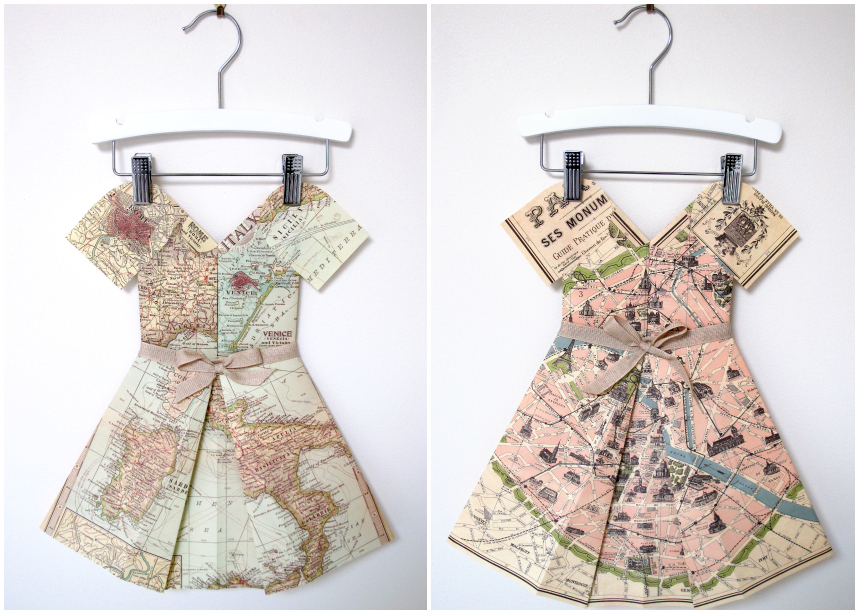
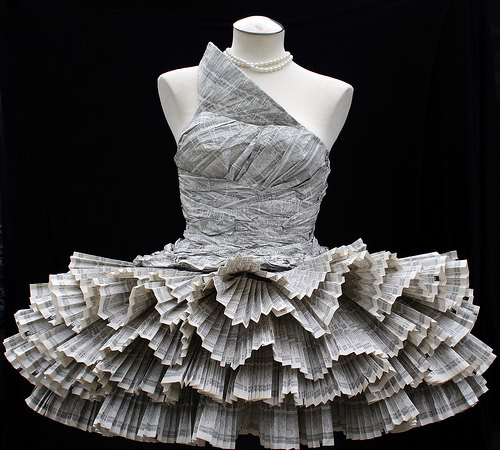
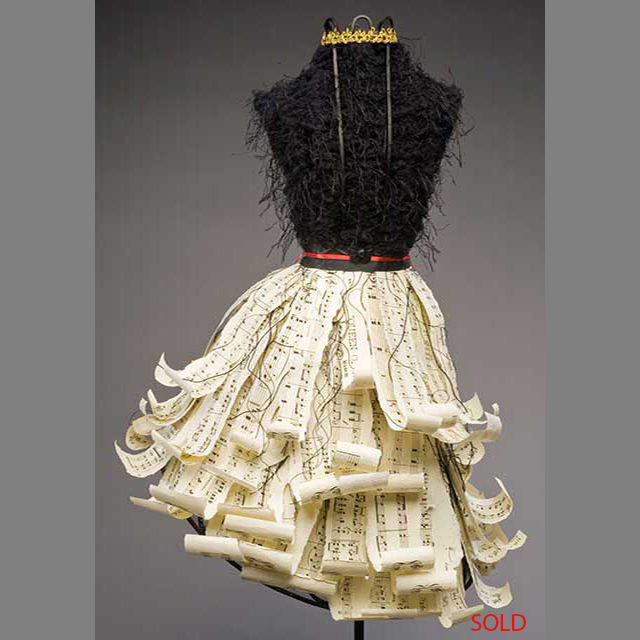
I stayed in a hotel in Oxford a year or so ago and most of the art on the walls was paper related, but not in ways you would first imagine. My favourite piece was an exquisite dress made from a vintage map. Sadly I lost the photo I took when swapping to a new mobile phone (showing my age – that wouldn’t happen to a young person!) but here are some other photos which I find very inspiring and beautiful.

two paper dresses

paper dress art

paper dress art

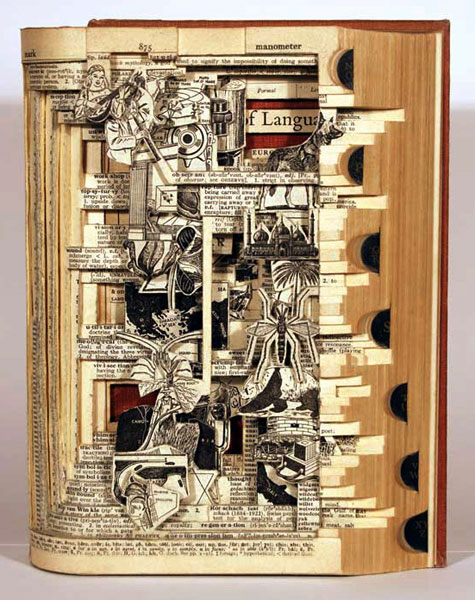
Paper art can be traced back to Japan where it originated over a thousand years ago. Although the vast majority of art is ON paper, if you look for it you can find plenty of examples of  book carving, origami and paper sculpture.

Book sculpture

Book sculpture

paper bee

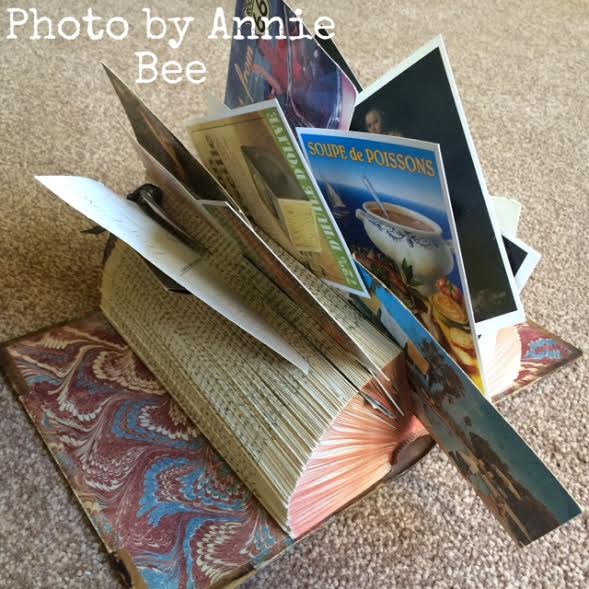
Paper airplanes were an endlessly fascinating homemade toy for my brother and I as pre-schoolers. We made so many he had a box outside his bedroom where he tried to sell them for 5c each. (I was not buying!). Kids now probably have an ipad to play with, but this was 1960s New Zealand. The only thing I have made recently is this book note-holder which lives by my front door. The notes, which I leave out strategically as and when I need to, say things like,

 ~ Do NOT forget your mobile

~ Out running. Back in an hour

~ I am teaching: please empty the dishwasher

Annie Bee's book art

There are more photos on my pinterest page.

Which is your favourite? Do you make things using paper?

Have a super weekend

Annie Bee x

Annie Bee blog signature

Monday Morning and My Nest Is Empty

Well it sure is quiet here at Bee HQ. Tumbleweed is drifting through the house, and the only noise is me typing. I am not quite sure what I feel just yet, as I am recovering from a slightly traumatic last 10 days.

I will say this though: it is proving awfully nice for us oldies not to be woken up by the younger Bees going to bed at 3am, and the kitchen is jolly tidy! The dishwasher won’t need to be put to go until late-October. I do feel bereft though – sort of churned up inside.

Morning coffee with a fellow empty nester beckons – she is bringing the tissues and I will put the kettle on.

Have a good Monday, and indeed a fruitful and happy week.

monday pic 1

Annie Bee x
Annie Bee blog signature

Updated NICE Guidelines for Coeliacs in the UK

I follow a couple of Facebook groups which are there to support coeliacs in the UK through their gluten free journey. There is a diverse spread of people of all descriptions on there, including those who are still ‘at sea’ with what they can and cannot eat after a diagnosis of Coeliac Disease (CD). This can lead to debate, confusion and unhelpful (but sometimes humorous) posts; it can also unfortunately descend into sarcasm and downright vitriol. The vast majority of the time though, there is a great deal of helpful information. Hooray for camaraderie amongst coeliacs !

All coeliacs, when diagnosed, are on a very steep learning curve for the management of their disease, which is often diagnosed (or not – see my blog post on misdiagnoses) after a troubled descent into ill-health and dramatic weight loss. I was so ill before my diagnosis, I assumed I was dying of cancer, but then I am not known for my eternal optimism!  Mind you, the unwarranted hysterectomy was a bit of a downer.  Add to this the horrid business that CD can’t be diagnosed unless the patient is still eating gluten at least once a day for 6 weeks before tests can be accurately carried out, and you have a tranche of very upset, ill and often confused people on your hands.

Quite a few of the FB posts on these sites are about how coeliacs are being dealt with by the NHS, whether it is the GP or consultants. So it is interesting to note that NICE (the National Institute for Health and Care Excellence) have just brought out some updated guidance for health professionals. If you are struggling with getting tests done, or being pushed from pillar to post, but suspect CD, some of this could be worth knowing.

Testing should be offered to people who are presenting with any of the following:

    • persistent unexplained abdominal or gastrointestinal symptoms
    • faltering growth
    • prolonged fatigue
    • unexpected weight loss
    • severe or persistent mouth ulcers
    • unexplained iron, vitamin B12 or folate deficiency
    • type 1 diabetes, at diagnosis
    • autoimmune thyroid disease, at diagnosis
    • irritable bowel syndrome (in adults)
  • first‑degree relatives of people with coeliac disease.

The guidelines also suggest that all CD sufferers are offered an annual review (either by the GP or a dietician with specialist knowledge of CD) where the following is assessed:

  • measure weight and height
  • review symptoms
  • consider the need for assessment of diet and adherence to the gluten‑free diet
  • consider the need for specialist dietetic and nutritional advice.

If you have a good, sympathetic and helpful GP, you hopefully won’t need to cite any of this information, but the more educated we are about what is expected of our health workers, the better. NICE guidelines are just that though: they are recommendations for best practice rather than ‘rules’.

In the BMJ’s roundup of the updated NICE guidelines, they point out that

A delayed diagnosis can lead to serious long-term complications, such as osteoporosis, infertility, and small bowel cancer

So if you are getting the runaround and think it could be CD, you could take a copy of these guidelines with you to the GP.

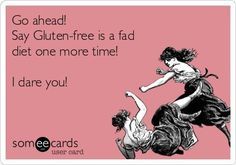
Life as a coeliac after diagnosis is relatively simple, though not without its frustrations and stresses. coeliac humour

And there is always some humour out there if you look hard enough.

Annie Bee x

Annie Bee blog signature

New Research On The Importance Of Portion Sizes

Some of the news headlines today about a new piece of research (which is in fact a round up of 61 previous studies) are,

 ~ Portion size key in tackling obesity, says study

 ~ Growing portion sizes a major factor in rising UK obesity, study finds

 ~ End to supersizing could reverse obesity trend

 ~ Want To Lose Weight? Buy Smaller Plates!

The Cambridge University led team of researchers says that by simply replacing large sizes of foods and drinks with standard amounts, British consumers could reduce overall calorie intake by up to 16 per cent. Over a year, that could result in weight loss of around two stone. If American adults did the same, they could reduce their intake by 22%-29%.

One of the ways of achieving this, the authors say, is by shifting away from a culture of large dinner plates, wine glasses and “supersize” portions. They found that people offered portions of food or crockery in larger sizes “consistently” consumed more of what they were given.

Add to this the well-documented evidence that portion sizes of packaged foods have increased substantially, and you have a recipe for trouble. My blog post The Side Plate Diet: Portion Distortion from earlier this year cites a number of pieces of research on the subject.

side plate diet portion distortion

Of today’s news, Dr Alison Tedstone, the chief nutritionist at Public Health England, said: “This study clearly demonstrates that reducing portion sizes is a successful way to cut calories. Given that almost two-thirds of adults are overweight or obese, it’s important to keep an eye on portion sizes when cooking, shopping and eating out to avoid overeating and help maintain a healthy weight.” You can find the full research on the Cochrane Library webiste.

Well you could always try my simple solution, which is to eat all your meals off a side plate. How small will it need to be? Have a read of my Side Plate blog post.

It has worked for me  ~ I am a very healthy weight and I am eating perfectly normal, healthy food; in addition, I am avoiding adding a layer of what I regard as complication, such as calorie counting, fasting, or the cutting out of one food group (for example carbs).

Give it a go. I can highly recommend it. And please share the buzz!

side plate diet

side plate diet

Annie Bee x

Annie Bee blog signature

The Importance Of Food Packaging To Coeliacs

I am that woman you see at the supermarket who looks like she has all the time in the world, reading the backs of foodstuffs, with seemingly nothing better to do. And as I am the resident Fridge Fairy here at Bee HQ, 90% of the time it is me who does the food shopping for the family. They know me so well at my local Sainsbury’s most of the staff and I are on first name terms.

I was diagnosed with Coeliac Disease (CD) about 12 years ago, and within the last 2 years, one of the Baby Bees has developed a lactose intolerance. Add to that the usual likes and dislikes of an average family, and you have quite a specialist job on your hands (~ where is my job spec? when is my next pay rise and what about my pension?).

As a coeliac, I have to avoid gluten in my diet; gluten is a protein found in wheat, rye and barley. Some people also react to a similar protein found in oats (I do unfortunately ~ I miss you, flapjacks). So the most obvious list of things to avoid include

  • bread
  • pasta
  • breakfast cereals
  • flour
  • pastry
  • pizza bases
  • cakes
  • biscuits.

But gluten can be hidden in the most unlikely foods, such as ice-cream (where wheat is used as a thickener) and on frozen chips. My point is that reading labels (food and drink) and understanding what to look for, has been a bit of an education over the years, but I have now got it down to a fine art. I check just about every single thing that goes in the trolley, which is perhaps a bit over the top (although, maddeningly, ingredients do change every now and again on products which used to be GF) but rather that than be ill for days and risk bringing on symptoms which can include bloating, diarrhoea, nausea,  constipation, tiredness, mouth ulcers, sudden or unexpected weight loss (but not in all cases), hair loss and anaemia. (Yes, CD is a laugh a minute). I feel I should add that my family are also very good at checking labelling.

Thankfully the laws governing labelling in the UK are both clear and helpful. If a product contains any of the following allergens the manufacturer must say so clearly on the label, and list them in the ingredients:

  • celery
  • cereals containing gluten – including wheat, rye, barley and oats
  • crustaceans – including prawns, crab and lobster
  • eggs
  • fish
  • lupin
  • milk
  • molluscs – including squid, mussels, cockles, whelks and snails
  • mustard
  • nuts
  • peanuts
  • sesame seeds
  • soya beans
  • sulphur dioxide or sulphites at levels above 10mg per kilogram or per litre

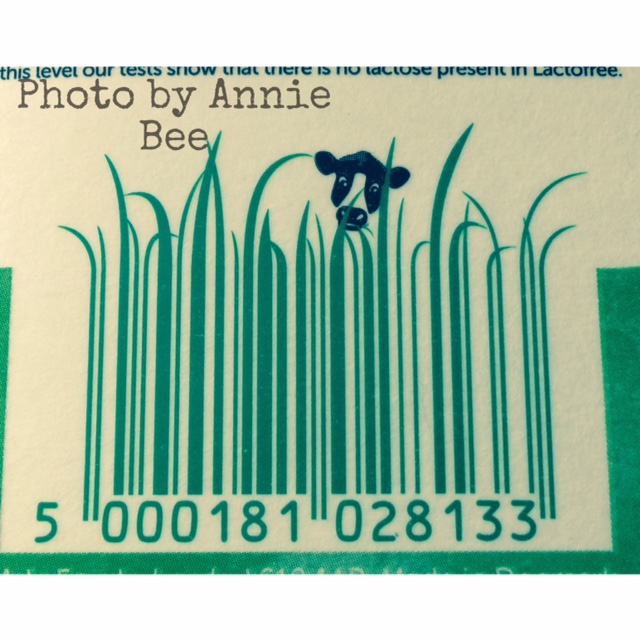
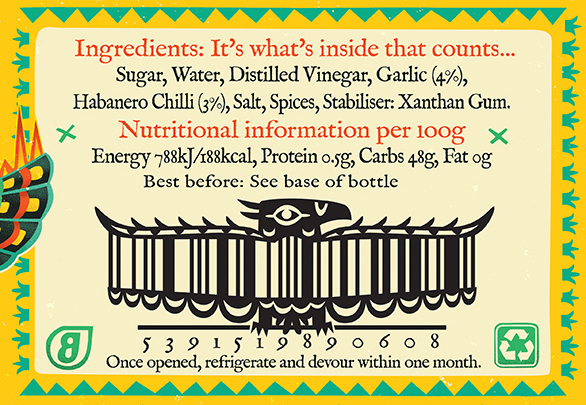
So imagine my delight when I very occasionally come across a food label which makes me smile. This barcode is a current favourite, found on the lactose free milk I buy:

Arla Lactofree milk barcode

There are some other examples, though not enough. I think the more the merrier ~ we coeliacs need as much fun and entertainment as we can get, and we don’t care where it comes from, even the supermarket aisles.Barcode design barcode 2

Mic's Chilli Sauce

Have a look out for any eccentric barcodes or food labels and send them through.

Happy hunting

Annie Bee x

Annie Bee blog signature

Tiny Libraries

You may have read one of my very first blog posts about a surprising find of mine while out on a walk with my BF: a book exchange in a disused phone box.

Kenwyn, Cornwall book exchange

Since discovering that, I have been attuned to this idea of books being shared in interesting places. A couple of months ago I heard a lovely documentary radio programme in the middle of the night, on the BBC World Service, about Tiny Libraries of New Zealand (listen again: The Search For Tiny Libraries).

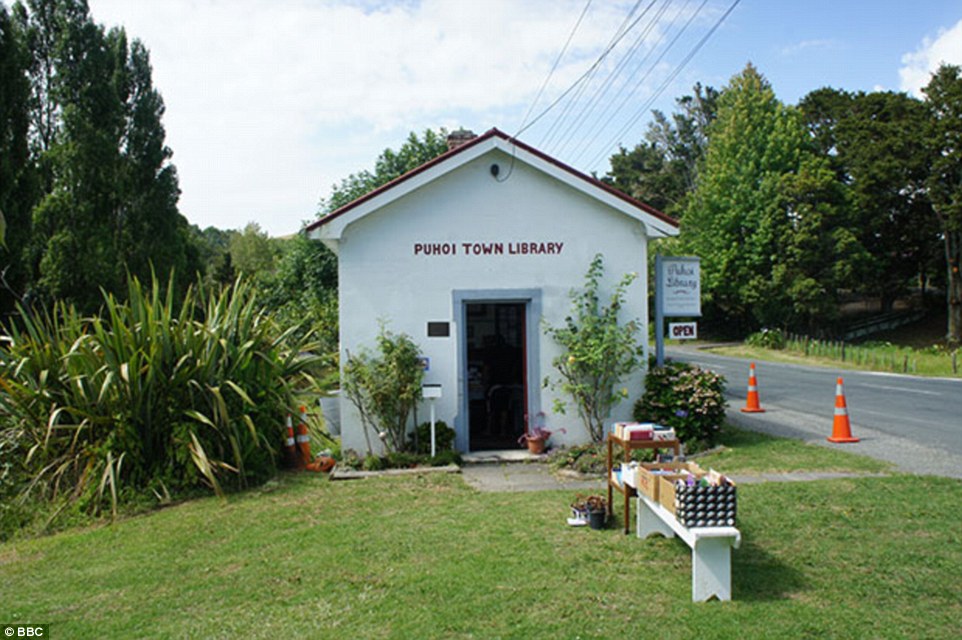
More often than not, they are run by women volunteers; they are found the length and breadth of the country, but away from larger conurbations where ‘proper’ libraries are funded by local councils. The one thing they all have in common is they are small ~ sometimes open for just for an hour a week, or one afternoon, many have existed for decades. It is a charming and fascinating insight into the importance of books to people in communities. Have a listen. That link (above) definitely works at the moment (Sept 2015) if you are in the UK, and hopefully beyond too.

In the UK, volunteers manning Council-run libraries is becoming an increasingly familiar occurrence. It is thought there are about 350 libraries being run like this currently ~ the so-called Big Society at work. In many cases it is only this approach that is keeping the libraries open at all, with such deep cuts to our local council finances. Perhaps one of the benefits is that the library is taken firmly into the hands of the community, and locals have more of a say about how it can best serve the neighbourhood.

The Community Knowledge Hub website is a useful tool for anyone interested in exploring this further. Many of these libraries are now multi-purpose spaces, with art classes, workshops, a cafe, or even a cinema, thus increasing usage and income. Innovation and collaboration are the name of the game.

But back to the Tiny Libraries. I do so love the idea of a few books being available in rural areas, whether as a book exchange scheme in a phone box, or with a proper library card and lending system, run from someone’s shed or garage or the village hall.

Tiny library New Zealand

tiny library New Zealand

And for those of us who rather take accessing books for granted, how about this: For the past fifteen or so years, Luis Soriano, a teacher from La Gloria, in the state of Magdalena in Colombia has been loading up his donkeys, Alfa and Beto, with piles of books and heading off into the hills to spread the joy of reading to children who have never had access to them before. A tiny library on hooves. Love it.

Donkey library Colombia

Long live the library! Let me know if you have a book exchange scheme or tiny library near you.

Annie Bee x

Annie Bee blog signature

Hello Autumn: September 1st

Hello

You might be thinking that I, and indeed the vast majority of British people are obsessed with the weather. You are right.

September 1st marks the beginning of autumn, but only from one point of view ~ that of the Meteorological Office, who describe it thus:

………   each season is a three-month period. So, Summer is June, July and August; Autumn is September, October and November, and so on.

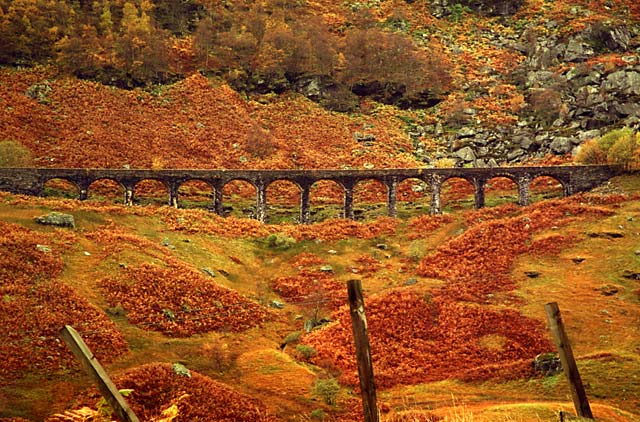
Autumn viaduct

If that fills you with dark and damp feelings of utter disbelief and horror (summer is over, and it was RUBBISH) you can take the astronomical definition of the seasons which uses the Earth’s position relative to the Sun as the cue for separating one season from another. It is the equinox, when days and nights are of equal length which marks the beginning of autumn if you prefer to delay the inevitable. In that case autumn this year (2015) starts on September 23rd. Astronomical seasons therefore are about three weeks behind the meteorological ones. Whew.

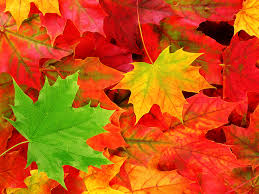
Autumn leaves

The third way of looking for the beginning of autumn is based on phenology – the process of noting the signs of change in plant and animal behaviour. Ripe sloes and blackberries (tick), mushrooms growing on the lawn (tick), Japanese anemones in full flower (tick). In the case of this animal, thoughts turning to Christmas (tick), feeling cold in bed (tick) and the need to start cooking warming stews (tick).

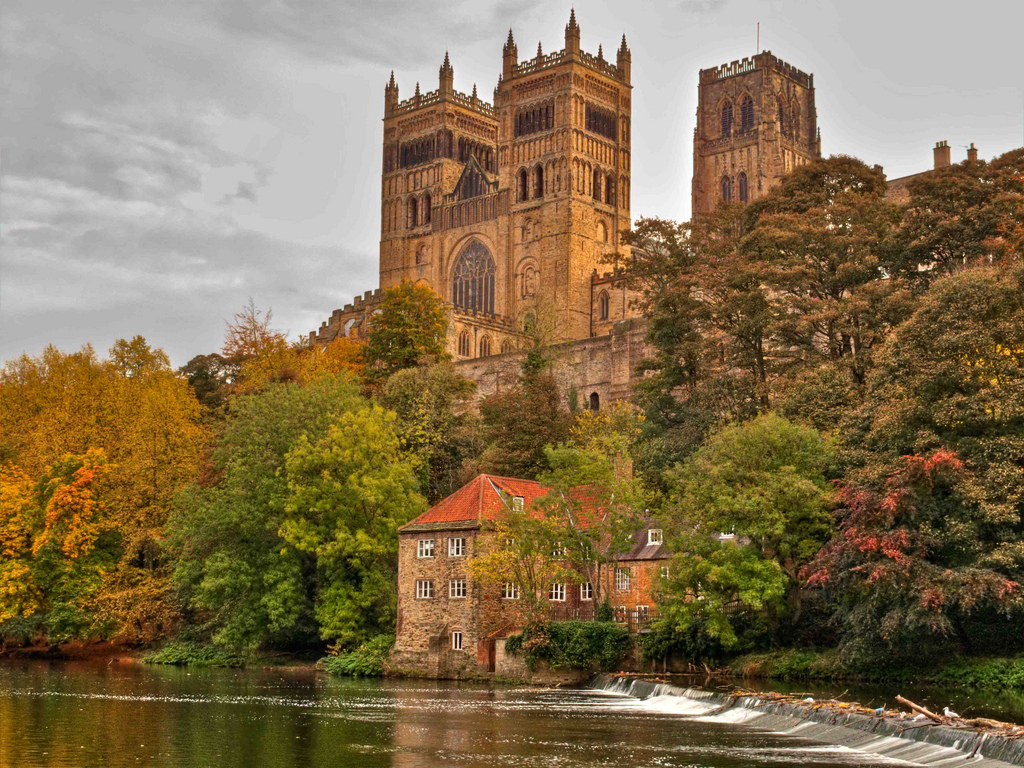
Autumn in Durham

I reckon it is here. You can run but you cannot hide. For those who love autumn/fall, enjoy. Some of us will have to fight the instinct to hibernate.

Now where did I put that SAD lamp and those bed socks?

Annie Bee x

Annie Bee signature

In Praise Of The Bank Holiday

It is late August and the weather is so dismal here in Hertfordshire that you need the lights on mid-afternoon in order to read your book without squinting. And tomorrow we hail the last of the official UK summer public holidays which brings with it the Notting Hill Carnival 2015, Europe’s biggest street festival. This year we already have warnings for thundery downpours, wind and lightning. Well, that’s the UK for you folks.

Weather is often the main theme of Bank Holidays, because the UK is second to bottom of the global list for the number of public holidays we are allocated. Each one is therefore heavy with anticipation, as workers unite in their need to make the most of a bonus day off which could bring with it a trip to the seaside, a long weekend away, an extra duvet day or simply a day pottering about in the garden.

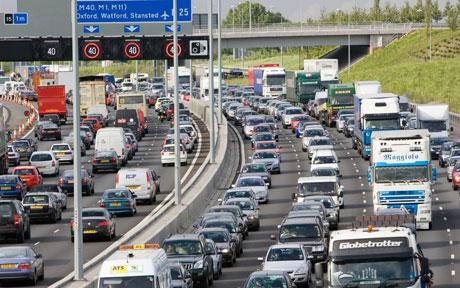
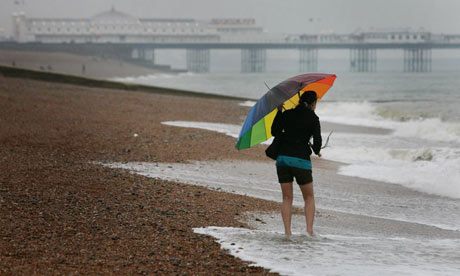
Newspapers the day after invariably have pictures of drenched people being soaked on a pier by rogue waves, umbrellas turned inside out, although in fairness we do also occasionally get photos of sunburnt citizens lying prone on a pebbly beach eating chips and ice cream. Often just to spice things up there are massive queues on motorways, rail strikes and other jolly travel disruptions.

Motorway gridlock UK

Bank Holiday on beach UK

Until 1834, the Bank of England observed about 33 saints’ days and religious festivals as holidays, but in 1834 this was reduced to four: 1 May (May Day), 1 November (All Saints’ Day), Good Friday and Christmas Day. Nowadays we observe about 8 public holidays per annum, which is the second to lowest public holiday entitlement in the world. (India has the most with 18-21 depending on the province).

So let’s make each one count. Have a good one, whatever the weather.

Bank Holiday

And in case the sun fails to make an appearance, commit this to memory:

idyllic sunny beach

Annie Bee x

Annie Bee signature